
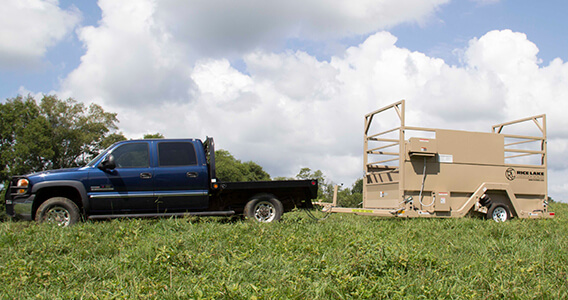
Tired of seeing livestock sale weights measuring lower than expected? Feeling like your profits are getting chipped away? Producing livestock is a major time and resource investment, so when even small amounts of shrink loss occur, it can noticeably impact your bottom line.
In this short blog, we’ll explore the shocking world of livestock shrinkage, why it happens, and the number one way to mitigate this loss. Spoiler alert: the answer is a reliable livestock scale.
What Is Shrink Loss?
Shrink loss refers to the weight that animals lose between initial weighing and sales processing, especially during transport. While this number varies depending on factors like wait times, it can occur surprisingly fast. Producers can generally expect to lose 1% per hour for the initial 3 to 4 hours. During longer transport, this shrinkage can reach nearly 10% of their pre-transport weight.
Why Shrink Loss Happens
Now that we understand what shrink means, why does shrinkage actually take place?
Shrink Loss can happen in more ways than one. The primary ways that cattle and other livestock experience shrink loss are through gut emptying during transport, dehydration when water is restricted, and tissue loss from extended time off feed. For years, shrink loss just seemed like a part of the job, but did you know that much of it is actually determined before transportation begins?
How On-Site Scales Reduce Shrink Loss
If you’re looking to stay one step ahead of unnecessary livestock shrinkage, investing in an on-site livestock scalemakes a real difference. When livestock are weighed at the auction market, processing facility, or other sites, all the stress from transport builds up. In comparison, livestock is weighed directly on-site, resulting in more accurate numbers. Because these animals are weighed in their normal environment, producers can stay ahead of the shrink clock.
In addition, owning a livestock scale allows producers to more accurately monitor changes over time. Data is power, allowing you to make more informed decisions, process faster, and achieve faster processing time. By gaining a more accurate understanding of pre-sale weight, you can make different feed decisions, time your transport schedule more carefully, and make other choices that impact your margins.
Tips For Using Livestock Scales
We’ve gone over livestock-scale maintenance tips, but when it comes to weighing, there are additional key ways to minimize shrinkage and improve load accuracy.
Minimize Time Away From Feed & Water
- The longer that livestock are kept away from feed and water, the more gut fill may be lost. Providing access to water and feed right up to the moment of transport can help mitigate this.
Keep the Weighing Area Calm
- Stressed animals lose more weight more quickly. Minimal noise and a low-stress environment will help livestock settle on the platform long enough for the indicator to give a true reading.
Reduce Unnecessary Handling
- Handling can be stressful for livestock, especially when being repeatedly moved around. To minimize this, try weighing livestock where they already are or where they naturally gather.
Above all, we recommend consulting a professional scale consultant. They’ll talk you through your options, from fully mobile group animal scales to hitch up and transport livestock between areas to farm bars that mount to squeeze chutes, hog crates, and other equipment.
Trusted By Canadian Producers Since 1978
For nearly five decades, Accurate Scale has helped producers, farmers, and other businesses weigh confidently. We’re proudly Canadian-owned and operated, providing commercial products, custom software, repairs, and calibrations. Start the conversation with our team to learn more about how we can help ‘scale up’ your operations.