
Metal recycling is a cornerstone of waste management, supporting eco-friendly waste reduction, preserving resources, and helping support local economies. To ensure the scrap metal recycling process remains functional and efficient, having the right weighing equipment in place is essential. Every load that crosses the yard depends on accurate weights for fair payment, regulatory compliance, and the bottom line.
Read on below to explore some of the key reasons why having the right scales can make or break your metal recycling operations.
#1: Accurate Weights = Accurate Transactions
Did you know that in 2024, Canada exported $1.7 billion worth of aluminum waste and scrap alone? Aluminum is just one of the many non-ferrous (non-iron) metals found throughout the recycling industry. These materials are valuable, and every pound matters for both businesses and customers. A weighbridge that’s off by even 0.5% can mean a loss of 200 lbs on a 40,000 lb load. Over a year, this discrepancy can add up to thousands of dollars in lost value.
#2: Different Metals Require Different Scales
Nationwide, Canada processes 16 to 18 billion tonnes of scrap metal every year. Metal involves a wide range of materials in vastly different weights, values, and densities. As a result, scrap yards require different types of weighing systems to ensure materials are correctly processed:
Permanent Truck Scales
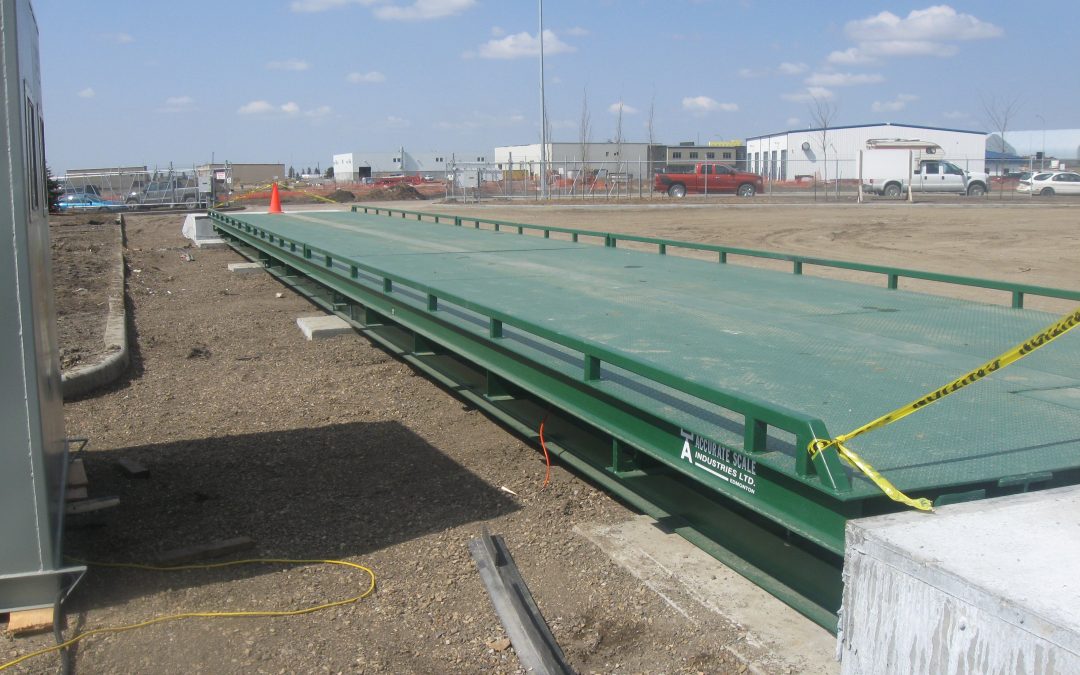
- Weighbridges are a permanent weighing solution for scrap operations, enabling the highest capacity to be directly loaded onto trucks and driven onto the platform for weighing.
Floor Scales
- Floor scales offer greater precision than weighbridges, making them a popular choice for copper, brass, and other non-ferrous metals. Many floor scales in metal recycling operations have a platform size of at least 3×3 or 4×4, with a capacity of 5,000 to 10,000 lbs or even greater.
Crane Scales
- Crane scales play a vital role in the scrap yard and are primarily used to weigh bulky or irregularly shaped items suspended from a crane or hoist.
These are only a few of the most commonly used scales found in metal scrap operations. Other weighing systems, such as platform scales, bench scales, rail scales, and others, are also widely used throughout the industry.
#3: Tough Conditions Require Durable Scales
As many know, severe weather events can significantly impact scrap metal prices. But just the same, weather also plays a major role in the longevity of scales. Rain, sleet, and snow are no strangers to outdoor weighing environments in Canada. Additionally, contaminants such as dirt, dust, and debris also can’t be ignored.
That’s why industrial scales should be built with proper IP (Ingress Protection) ratings. IP65 protects against dust ingress and low-pressure water spray, while IP66 stands up to powerful jets and IP67 withstands brief immersion. For outdoor scrap yards, ensuring sufficient IP ratings is vital to preventing moisture from working its way into the scale over time.
#4: Legal-For-Trade Certification
In Canada, any scale that is used for commercial transactions must be Legal-For-Trade certified. For scrap yards, that means every tied invoice needs to come from a scale with a current certification, without exception.
Measurement Canada inspectors or authorized service providers handle the certification process. Once a scale is certified, it will display a valid sticker, along with a certification document. Re-examination cycles typically range from 1 to 5 years, depending on the exact application and device type.
Scale Up Your ROI with Accurate Scale
Trusted throughout Western Canada for nearly 50 years, Accurate Scale is your source for reliable commercial scales you can count on. Visit our Edmonton location or contact us today to get started on finding the right weighing solution for your business.