
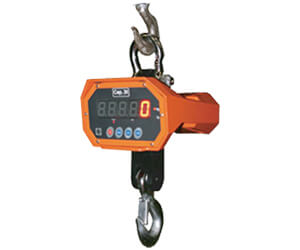
If you’re in the market for a reliable scale for your hanging loads, you may have come across two options: crane scales and dynamometers. While both options may appear similar at first glance, there are key differences in how they’re used and in the output they provide to businesses.
Below, let’s break down the ins and outs of both industrial scales. Read on with us here at Accurate Scale!
What is a Crane Scale?
A crane scale is a fully suspended weighing device used to measure the total weight of a load via a crane or hook.At its core, crane scales work similarly to other industrial scales, using electronic strain gauges to determine the load’s total weight before transmitting this number to the display. These scales are a unique asset for work sites, thanks to their small footprint and real-time measurements without minimal interruption.
When to Use a Crane Scale
A crane scale is used to measure the total weight of suspended loads, which includes tasks like:
- Weighing scrap metal and recycling bales mid-lift before they’re loaded into rail cars or transport bins
- Measuring ladles, ingots, and finished components within containers in steel mills and foundries while the load stays on the crane
- Confirming the weight of beams, pipe, and pre-cast concrete components on construction sites before they’re set in place
What is a Dynamometer?
A dynamometer measures the total force of a device rather than simply its weight. The purpose of these devices is to accurately measure tension, pulling force, and other forces to ensure compliance with safety standards. Understanding what your weighing equipment is actually experiencing during operation is crucial for preventing overloading and other failures.
When to Use a Dynamometer
A dynamometer is used to monitor the total forces of load limits, and includes tasks like:
- Proof testing slings, shackles, and rigging hardware to confirm they hold their rated working load before they go into service
- Load testing cranes, hoists, and overhead lifting equipment as part of annual safety inspections
- Measuring bollard pull on tugboats and tow vehicles to confirm their rated pulling force
Which Is Right For You
When deciding between a crane scale and a dynamometer, the choice typically comes down to what you’re trying to measure. If you’re looking to weigh a hanging load, a crane scale is typically the better fit. On the other hand, if you’re looking for a solution to determine exactly how your equipment is lifting or pulling, a dynamometer is what you need.
For example, imagine you’re part of a rigging crew. If you’re looking to know how much a steel beam weighs before it gets lifted on a roof, you’ll reach for a crane scale. On the other hand, if you want to confirm if a two-leg sling can safely carry that beam without exceeding its rated tension, this is where a dynamometer excels. Though both readings matter, they answer different questions.
If you’re unsure which would be best for your operation, consult with a professional scale expert. They’ll be able to assess what type of job this scale is looking to fill, and which is the best fit for you.
Measured to Perform with Accurate Scale
Accurate Scale is Western Canada’s source for reliable weighing solutions, with over 50 years of experience. To learn more about how we can help you scale up your operation’s accuracy, visit our Edmonton office or contact us today.