
Summer is slowly inching its way in, signalling the time to prepare for Alberta’s grain harvesting season. As the agricultural season picks up this year, it’s the perfect time to get your grain handling scales in order. After all, on farms, there’s no such thing as downtime—only time preparing for the job.
At Accurate Scale, we’re proud to cater to the diverse needs of Alberta’s agriculture industry. While hopper scales can be used for a wide variety of applications, in Alberta, their primary use is for measuring grain and other agricultural commodities. Below, we’ll explore hopper scales and what farmers should keep in mind when buying one. Read on with us, as we ‘hop’ into the details.
What Is a Hopper Scale?
Hopper Scales are essential to farms throughout Alberta, offering seamless measurement of grain and other bulk materials. These scales are typically mounted onto hoppers, bins, and sometimes even silos.
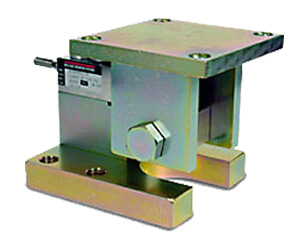
As hopper scales have a wide variety of applications, they’re available in many weight capacities, constructions, and other features. For example, many hopper scales are built from non-corrosive materials, such as stainless steel, to prevent moisture from rusting them. Hopper scales used in grain handling applications are often equipped with high-capacity load cells. Options like the EZ Mount 1 Series are built to handle heavy-duty grain bulk loads, with a capacity of 5,000 to 250,000 lbs per module.
Legal-for-Trade vs. Inventory-Only Hopper Scales
Most hopper scales can be certified for Legal for Trade use, making them ideal for robust commercial applications throughout the year. Take full control of your grain yield with the RL 1800 Series. This high-quality scale features heavy-duty stainless steel and zinc-coated construction, alongside a capacity range of 250 to 10,000 lbs per module.
That being said, non-certified hopper scales also come in handy for day-to-day operations. Hopper scales can aid with internal inventory tracking, allowing you to monitor your grain volumes on-farm and plan storage when it hits a certain level.
Why the Number of Legs Matters
Not all hoppers are made equal. In fact, there’s one defining feature that separates the precision of your measurements: legs. Even if your measurements are within the weight capacity of your scales, that alone doesn’t ensure complete accuracy. If you’re looking to weigh your load accurately, it’s best practice to have one load cell per leg. Though it might not seem like it would make a difference, uneven weight distribution can have a significant impact on final weight. Shifting loads, calibration drifts, and changes in the centre of gravity all affect weighings.
Key Questions When Buying A Hopper Scale
When choosing a hopper, it’s integral to understand your specific needs. Factors like frequency of use and weight capacitymake the difference between a long-lasting hopper scale and one that wears out quickly.
Here are a few questions to keep in mind when buying your scale:
- How many legs does your bin have?
- Is your bin located indoors or outdoors?
- Is the scale for internal use or Legal for Trade use?
- How often will the scale be used?
- What are the smallest and largest loads you will need to measure?
While you’ll have assistance from a technical sales representative to find your best option, having an answer to these questions beforehand will make the process quicker.
Get the Right Fit for Your Feed Bin
At Accurate Scale, we understand the importance of complete precision when it comes to measuring your grain yield. Protect your business’s compliance and bottom line with us today. Contact our friendly team today for expert, dependable support with all your weighing needs.