
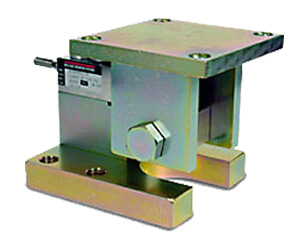
When it comes to agricultural applications, hopper scales are among the most widely used weighing solutions available. These robust yet versatile scales allow for seamless measurement of grain, fertilizer, and other bulk materials. But how can you tell when your hopper scale is reaching the end of its service life?
At Accurate Scale, we’ve been a leading supplier of commercial and industrial scales since 1978. We’re dedicated to providing informative scale knowledge that you can trust. Join us as we explore several key considerations that help determine whether it’s time to retire your hopper scale. Read on to learn more.
The Silent Risk of Accuracy Drift
Over time, scales experience what’s known as accuracy drift as components become fatigued and wear out. This change can stem from anything, such as micro-cracks in load cells to corroded mounting plates—it impacts the scale all the same. Noticeable accuracy drift typically starts small, often just a few pounds in many cases. But over time, these small inaccuracies can eventually develop into substantial errors. If not remedied, this can result in incorrect batching, unreliable inventory levels, and even risk losing Legal for Trade status.
The Essential Inner Workings
Despite their compact size, industrial hopper scales have complex internal components. These components work as a system designed to deliver pinpoint-accurate measurements within seconds.
Some of the parts that hopper scales contain include:
- Load cells
- Mounting hardware
- Indicators
- Cables
While there are many other components, these are the parts that do the heaviest lifting (or, in this case, weighing). These are among the most crucial parts to monitor to prevent damage. Hopper scales, in particular, have mounting mechanisms that are highly susceptible to damage. These scales work by mounting onto silos, bins, hoppers, and other containers. Over time, this mounting hardware can wear out, resulting in broken pivots, bent bearing plates, and other failures.
Is it Time to Replace?
There is no shortage of factors to consider when deciding whether it’s time to finally replace your hopper scale. From lifespan to structural damage, there’s a lot to consider. Many assume the manufacturer’s stated lifespan is a reliable guideline. After all, every scale has an advertised lifespan that outlines how long the scale should generally last. The lifespan of hopper scales is typically between 7 and 15 years or more, depending on the model and brand. However, that lifespan is heavily influenced by factors such as environment, proper usage, consistent calibrations, and timely repairs when needed. Without these, the scale’s lifespan can drop significantly. While the time to replacement can be mitigated through regular care, any hopper scale will eventually give out. You can often gauge your hopper scale’s overall condition by examining its repair costs. As a rule of thumb, if repairs exceed 50% of the replacement cost, your hopper scale is likely nearing the end of it’s service life. At this point, a replacement is likely the smarter choice.
Let a Technician Take a Look
If you’re unsure whether it’s time to retire your hopper scale, bring it to a licensed scale technician, such as Accurate Scale. We’ll conduct a comprehensive inspection of your hopper scale, assess its condition, and provide a recommendation based on our findings and expertise.
Hop into Accuracy with Accurate Scale
Your hopper scale should support your business, not become a liability. If you’re wondering if it’s time to retire your hopper scale, Accurate Scale is here for you. We offer a wide range of hopper scales suitable for nearly every type of commercial or industrial application. To learn more, visit our Edmonton location, explore our selection online, or contact us today.