
With over 200 breweries and other alcohol manufacturing facilities across Alberta, the province’s alcohol industry is one of the most active in Canada. Alberta’s alcohol manufacturing industry is thriving, but also heavily regulated. So, how can you ensure you’re staying compliant with alcohol processing regulations? What measuring equipment should you be utilizing?
In this blog with Accurate Scale, let’s break down distillery scale 101 and what matters most when investing in a scale for your brewery, distillery, or alcohol manufacturing facility. Let’s uncork the details below.
Why Distilleries & Breweries Need Accurate Scales
Distillery scales are more than important for alcohol manufacturing; they’re essential. Most beer, spirits, wines, and other alcohol products are sold by volume, not weight. But despite this seeming difference, weight measurements remain essential to the entire production process.
Liquor and alcohol ingredients are typically measured by weight to ensure efficient batching control. From small portions of botanicals and extracts in grams to sugar and molasses in kilograms, every measurement matters. Another essential measurement is alcohol strength, which is determined by density and weight rather than volume. Proof accuracy is necessary to ensure compliance with federal and provincial liquor regulations.
An NTEP, Legal for Trade certified distillery scale should be used for these weight measurements. The production of alcohol that goes into bottles, cans, and kegs sold for public consumption is subject to strict guidelines under Measurement Canada.
Weighing at Every Stage
Producing alcohol isn’t just a craft. It’s a comprehensive process that requires a strict, step-by-step process. Breweries, for example, must follow a strict process for batching and brewing ingredients to ensure the final product meets quality control standards. Grain lays the foundation for beer, with the right amount needing to be added during the mashing process. Too little and the beer becomes bland in flavour, too much and it can result in a higher alcohol content.
Every stage requires precise measurements, for both quality control and your bottom line. The right scale is essential to streamline this process best, offering less guesswork and more efficiency.
What Distillery Scales Are Most Useful?
When choosing distillery scales, it’s essential to consider each distinct stage of the process. A scale required for batching ingredients is very different from one used to weigh kegs for distribution. Different types of alcohol manufacturing facilities will also have varying needs. Breweries, for example, often require a high-capacity floor scale to measure kegs accurately. Distilleries, on the other hand, may benefit from precision balance lab scales for small sample proof-checks.
- Bench scales typically have a smaller weighing capacity, usually anywhere between 30 kg to 500 kg.
- They’re commonly used to weigh out smaller ingredients used during alcohol production, everything from hops for craft beer to yeast and botanicals for spirits.
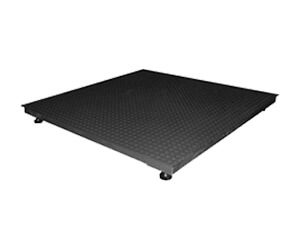
- Floor scales offer a significantly higher capacity, typically ranging from 1,000 kg to 10,000 kg.
- These scales are best suited for heavier loads, such as full kegs, grain sacks, and pallets of packaged alcohol.
- Hopper bin scales feature a wider weighing capacity, ranging from roughly 450 kg to 30,000 kg, depending on setup and assembly.
- These distillery scales are typically used to measure large vessels such as bulk storage bins and fermentation tanks.
Precision Worth Toasting To with Accurate Scale
Whether in a brewery, distillery, cidery, winery, or any other alcohol processing facility, compliance is essential. Our team of local scale experts at Accurate Scale are here to help you find the best option. Reach out to us today to learn more about our wide selection of distillery scales for every stage of production. From ingredient batching to final bottling, we have the right scale for your operation.